An interesting article by IndieWire last week looked at Christopher Nolan’s distaste for all film consumption options outside of a cinema. The referenced interview was all about the recent release of his war film Dunkirk. To Nolan, Dunkirk is all about theatrical viewing as it is the only way to “make you feel like you are there.” To be fair, he does seem to think streaming options are okay after the traditional 90-day theatrical run, stating, “If Netflix has made a great film, they should put it in theaters. Why not? Stream it 90 days later.”
I understand having a preference for theater, especially if that fits your vision for the film like Dunkirk, but it seems a step too far to dismiss all of Netflix’s efforts simply because they are streaming only. After all, Netflix is playing in the nontraditional arena and giving filmmakers and other creatives a platform for stories that might not play on the big screen or get past the panel review of a big studio. For example, the upcoming release Bright starring Will Smith and directed by David Ayer sees fantasy creatures mashed up with a crime film set in an alternate universe Los Angeles.
Maybe I’ve played a little too much D&D in my life, but I’m excited for its release. Beyond the story, it also seems like Ayer got to flex his creative muscles more than usual during production. After working on the big studio release Suicide Squad, to much criticism, Ayer had this to say at San Diego Comic-Con about working with Netflix on Bright:
It is a credit to Netflix and how they do business. They ask where and how to shoot it and they let me do it. It almost felt like a super, high-budget independent film. That may not land with you guys, but you have to understand that other side. It is the opposite for many filmmakers. Netflix is going to pull a lot of talented people to their side.
So there are two schools of thought at play: The Nolan camp that sees a theater as the only way to truly appreciate film and the Netflix camp where the method of delivery is secondary to the generation of new stories. I can certainly see the value in both (though I lack some of the nostalgia about seeing a movie in theaters because I’m picky about my movie company), but I do lean more in favor of the Netflix point of view. I appreciate the stimulation of new ideas and the willingness to fail a few times in exchange for making something thought provoking and original. I’ll take an Okja even if it means a few more Adam Sandler flicks.
Still, all things being equal, I have to wonder what would happen if Nolan went the other direction and doubled down on his ideology, releasing a film solely for theatrical consumption? What would a story look like that was ephemeral, lasting only 90 days and requiring mass consumption? I could imagine a world where theater-only films existed side-by-side with traditional releases and Netflix-incubated films. It would definitely return us to a time before the late Eighties where a theater is the only place to get certain stories.
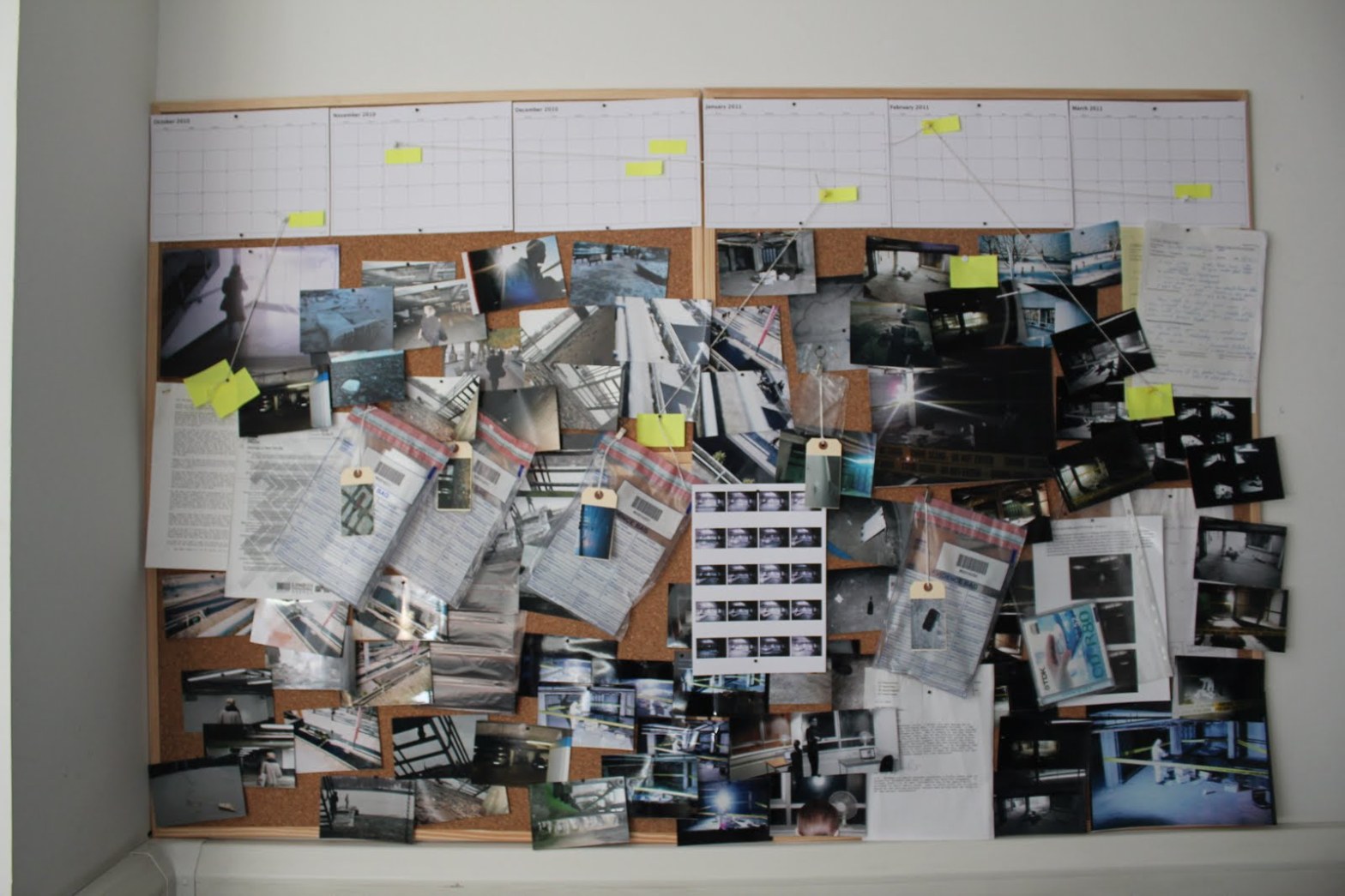
It certainly wouldn’t be the first time a director has subverted traditional storytelling for the sake of experience. Look at the J. J. Abrams/Doug Dorst novel S. as an example. Taking a page out of Mark Z. Danielewski’s book (you’re welcome for the retro link), S. gives the reader a base layer of story with Ship of Theseus and adds a meta-narrative on top, told through margin notes, postcards, photos and other inserts. With both S. and House of Leaves, their authors have imposed a way to consume the story, turning the reader into a crazed investigator with a wall of notes connected by string.
As a side effect, by their very construction, they’ve made their stories nearly impossible to translate to an electronic format. Having a postcard fall out of Ship of Theseus and into your lap is worlds apart from looking at a black and white e-Ink image of it on a Kindle. I do love my Kindle, but something like S. takes holding a physical book to new levels, letting you touch a part of the story you are now involved in. It’s all the voyeuristic excitement of finding a scrap of paper in a used book but complete and orchestrated by one of the top storytellers around.
Best of all, these stories address a concern much like Nolan expresses about Netflix (that technology is seeking to usurp and dismantle traditional media) but in a direct and active way. What better way to highlight all the potential of paper than to create a story that must be held to be fully appreciated? Now we just have to wait for Nolan or some equally passionate director to try the same with film. Just as S. didn’t shut down the production of eBooks, such a film wouldn’t topple Netflix, but it could show that traditional theatrical experiences have more to offer than just texting teens and sticky floors.
Somewhere out there exists an auteur that will make us flock back to the cinema. But they’ll certainly do it with their story, not through interviews dismissive of innovation and exploration.
 The Barberry Writers